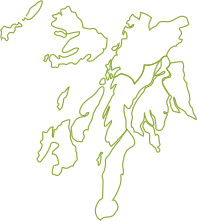
Campbeltown is one of Scotland’s five protected whisky regions. In the Victorian era, more than 30 distilleries operated in the town, earning it the title “whisky capital of the world”. Today, three distilleries operate in Campbeltown: Springbank, Glen Scotia and Glengyle, home of Kilkerran single malt. Other protected whisky regions include Highland, Islay, Lowland, and Speyside.
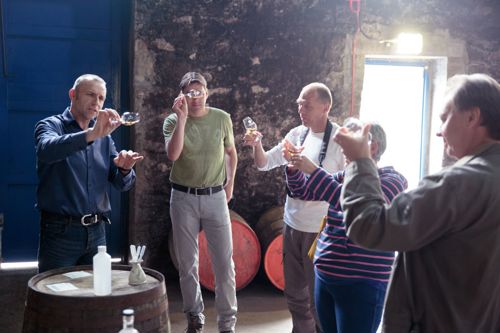
Head to Glen Scotia Distillery for a whisky tasting tour.
Discover Campbeltown’s Distilleries
Campbeltown became a whisky boomtown in the 1800s. All the ingredients were there for the whisky industry, including the fertile fields of Kintyre for barley, peat bogs to supply peat for the malting process, the waters of the nearby Crosshill Loch and coal from Drumlemble mine near Machrihanish to fuel the stills. Most importantly, perhaps, was the natural deep-sea harbour. Campbeltown was a bustling port, and as Campbeltown’s whisky industry grew, steamships carried whisky to the fast-growing markets of Glasgow and on to London and America. By the late 1800s, Campbeltown was a prosperous, flourishing town. Check out the villas on the east side of Campbeltown Bay, and you’ll get a taste of the wealth that whisky (and herring) brought to the town.
Campbeltown’s whisky industry declined sharply during the early 20th century. Some distillers cut corners to meet demand, damaging the region’s reputation among blenders. Higher whisky duties, changing tastes, the First World War, US Prohibition and the Great Depression also reduced demand. By 1934, Rieclachan had closed, leaving Springbank and Glen Scotia operating.
Campbeltown whiskies vary widely. Common notes include salt, smoke, fruit, vanilla and toffee. Glen Scotia produces peated and unpeated whisky, while Springbank makes three distinct malts, Hazelburn, Springbank and Longrow, using different production styles.
Glen Scotia
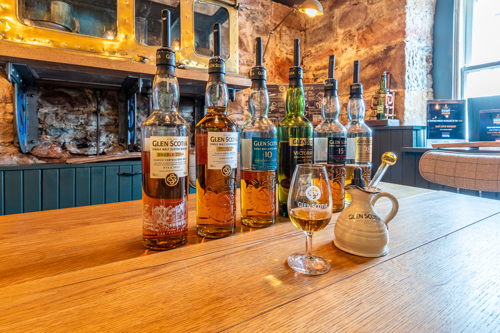
Founded in 1832, Glen Scotia is one of Scotland’s smallest whisky distilleries. The distillery still maintains much of its original design, including the fermenters, the stillroom and the dunnage warehouse dating from the 1830s. You can choose from several tours. Relax in the Victorian-style shop, learning about the history of Glen Scotia while enjoying a few drams.
Springbank
Springbank was founded in 1828 on the site of Archibald Mitchell’s illicit still. Hedley G Wright, the great-great-grandson of Archibald Mitchell, died in 2023. Ownership was then placed in three trust funds, with a family member appointed to the board. Springbank remains the only distillery in Scotland to complete 100% of the whisky-making process on site, from traditional floor malting through to maturation and bottling. Current experiences include the Springbank Tour and Barley to Bottle Tour. Visitors should check live availability and book in advance. The Washback Bar at the distillery serves drams, tasting flights and light food.
Glengyle
Glengyle Distillery, home of Kilkerran single malt, operated from 1872 to 1925. Mitchell’s Glengyle Ltd bought the buildings in 2000, rebuilt the distillery and distilled its first new spirit in 2004. The reopening helped strengthen Campbeltown’s status as a whisky region when that status was at risk. The current Kilkerran Tour is a separate one-hour experience. Glengyle normally produces spirit from late September to December, although tours run outside the production period.
Campbeltown Malts Festival
Each May, the Campbeltown Malts Festival celebrates the town’s whisky heritage with distillery open days, tastings, tours, festival bottlings, local food, crafts and live music. Events attract whisky enthusiasts from around the world, and popular tastings sell out quickly. Book accommodation and tickets well in advance, and check the official festival information before travelling.
Other Things to See & Do in Campbeltown
Take a wander around Campbeltown, and you’ll get an insight into the town’s booming whisky past. Tantalising glimpses remain, from faded signs to old buildings. You’ll also find some cracking whisky bars. The Ardshiel Hotel Whisky Bar has more than 700 malts and is a previous winner of the Wee Dram Whisky Bar of the Year and Scottish Field Whisky Bar of the Year. You can also visit Cadenhead’s Campbeltown shop and the Cadenhead’s Tasting Room on Bolgam Street.